

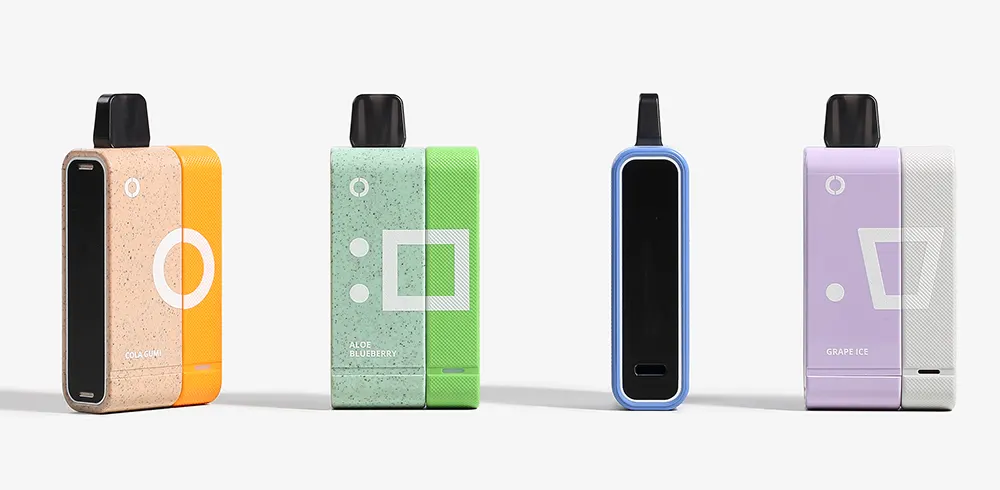
Disposable vapes have become one of the fastest-growing products in the vaping industry. Many people use them because they are simple, easy to carry, and ready to use. But behind every small device, there is a full production process.
This complete guide to disposable vape manufacturing explains how disposable vapes are made, step by step, in simple English. It is useful for beginners, buyers, and anyone who wants to understand how the industry works.
1. What Is a Disposable Vape?
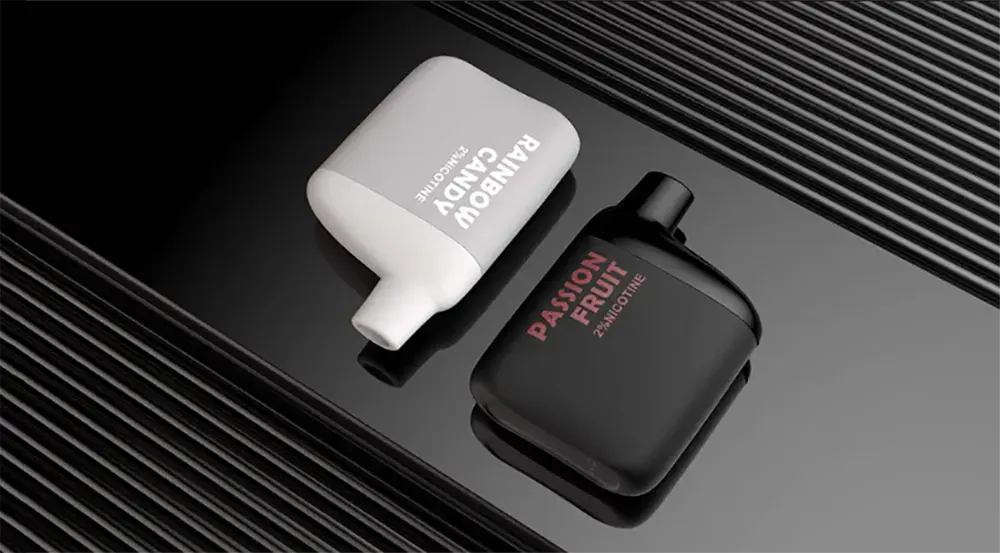
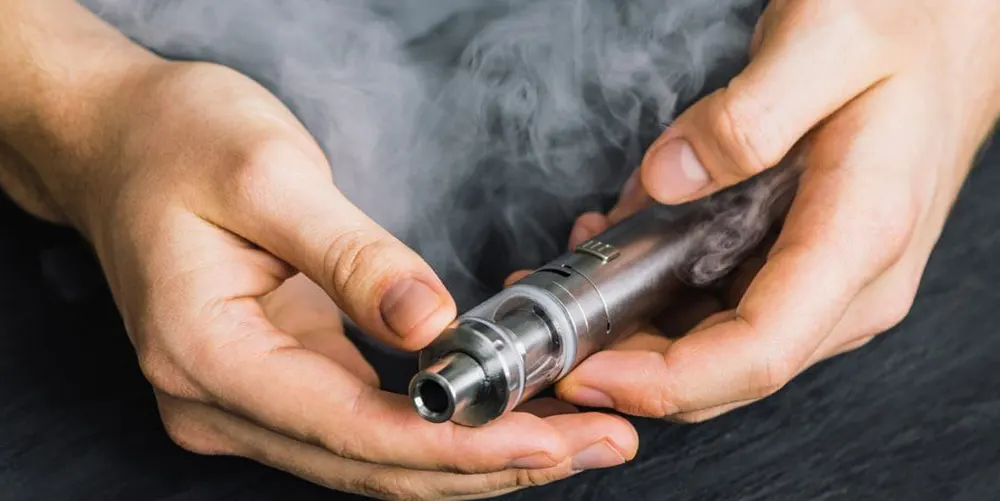
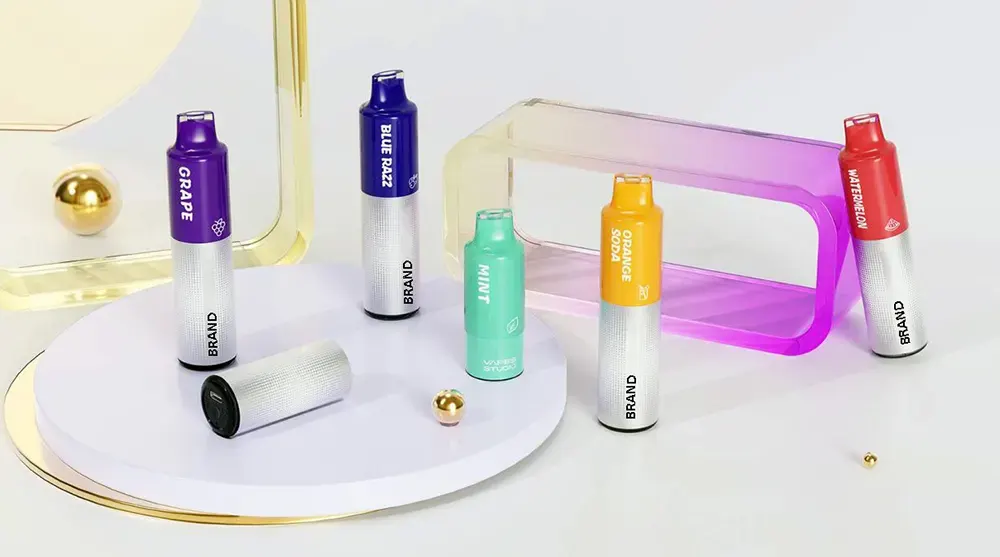
A disposable vape is a single-use electronic device that includes:
-
- A battery
- A heating coil
- A small e-liquid tank
- A mouthpiece
It comes pre-filled and pre-charged. When the liquid or battery is finished, the device is thrown away.
2. Main Components in Manufacturing
Disposable vape production uses several key parts:
Bateria
Most devices use a lithium battery, usually between:
-
- 280mAh to 850mAh
The battery controls how long the device lasts.
Coil (Heating Element)
The coil heats the e-liquid to create vapor.
Common types:
-
- Mesh coil (most popular today)
- Ceramic coil (more stable flavor)
Mesh coils are widely used because they give:
-
- Melhor sabor
- Faster heating
- Smoother vapor
E-liquid Tank
The tank holds the vape juice.
Typical capacity:
-
- 2ml (EU standard)
- 10ml+ (non-EU markets)
Chip / PCB Board
This small circuit controls:
-
- Power output
- Safety protection
- Puff activation
It ensures the device works properly and safely.
3. Step-by-Step Manufacturing Process
Step 1: Design and Development
Manufacturers first design:
-
- Shape of the device
- Airflow system
- Battery size
- Flavor system
This step also includes testing early prototypes.
Step 2: Component Production
Different parts are produced separately:
-
- Battery cells are manufactured
- Coils are assembled
- Plastic or metal housing is molded
- Chips are programmed
Each part must pass quality control.
Step 3: E-liquid Filling
E-liquid is carefully mixed and filled into tanks. Important points:
-
- Clean environment (dust-free room)
- Accurate nicotine level
- Flavor consistency control
Even small mistakes can affect taste and safety.
Step 4: Assembly
All parts are put together:
-
- Battery connected to PCB board
- Coil installed
- Tank filled and sealed
- Mouthpiece attached
This step is often done by automated machines for accuracy.
Step 5: Testing and Quality Control
Before shipping, each batch is tested:
-
- Battery performance check
- Leakage test
- Airflow test
- Flavor output test
High-quality factories also test:
-
- Charging safety
- Overheat protection
- Puff consistency
Step 6: Packaging
Final products are packed with:
-
- User instructions
- Safety warnings
- QR codes for tracking
- Branding and design labels
Good packaging is important for both retail and compliance.
4. Key Quality Standards in Manufacturing
Modern disposable vape factories follow strict rules such as:
-
- CE certification (Europe)
- RoHS compliance (restricted substances control)
- FCC standards (electronic safety)
- TPD rules (nicotine limits in EU markets)
These standards help ensure products are legal and safe in different countries. For global buyers, working with a compliant manufacturer like AMXIM helps reduce regulatory risk and improves market entry speed.
Conclusão
Disposable vape manufacturing is a detailed process that combines technology, safety control, and design. From battery production to final packaging, every step matters.
Understanding the full manufacturing process helps buyers, brands, and distributors make better decisions in the global vape industry.
If you are looking for a stable supply partner with OEM/ODM capability and compliance-focused production, manufacturers like AMXIM can provide end-to-end solutions for different market needs.
 Português
  English
  العربية
  Deutsch
  Español
  Français
  Italiano
  Русский
  简体中文
简体中文  日本語
日本語  한국어
한국어